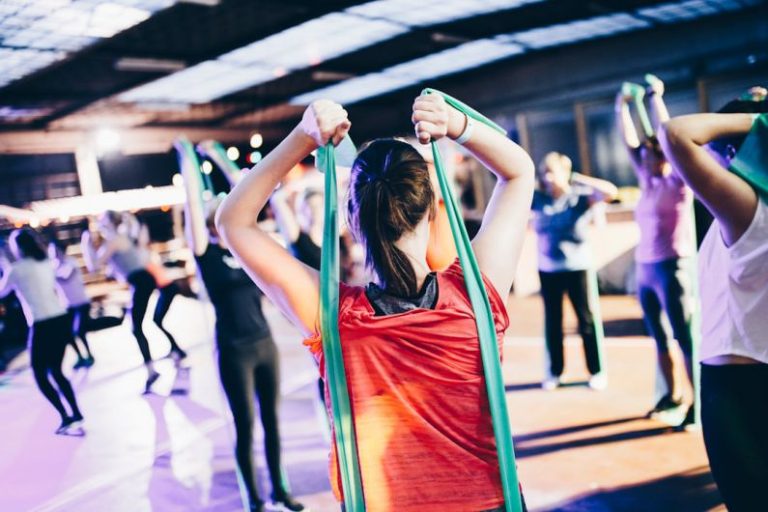
Setting Realistic Fitness Goals
Embarking on a fitness journey is an empowering decision that can lead to improved health, increased energy levels, and a boost in self-confidence. However, in order to maximize the benefits of your efforts, it is crucial to set realistic fitness goals that are attainable and sustainable. Setting unattainable goals can lead to frustration and demotivation, while setting realistic goals can help you stay focused and motivated on your journey to a healthier lifestyle.
Understanding Your Starting Point
Before setting fitness goals, it is important to assess your current fitness level. Take stock of where you are at physically, mentally, and emotionally. Consider factors such as your current weight, body measurements, strength, flexibility, and overall health. By understanding your starting point, you can set realistic goals that are tailored to your individual needs and capabilities.
Setting Specific and Measurable Goals
When setting fitness goals, it is essential to be specific and measurable. Vague goals such as “get fit” or “lose weight” are difficult to track and may not provide you with a clear direction. Instead, focus on setting specific goals such as “lose 10 pounds in two months” or “run a 5K in under 30 minutes.” By making your goals specific and measurable, you can track your progress and celebrate your achievements along the way.
Realistic Timeframes
While it is important to challenge yourself, it is equally important to set realistic timeframes for achieving your fitness goals. Rapid transformations are often unsustainable and can lead to burnout or injury. Instead, set realistic timelines that allow you to make gradual progress towards your goals. For example, if your goal is to build muscle, aim to increase your strength training sessions gradually over time rather than trying to lift heavy weights right from the start.
Celebrate Small Wins
On your fitness journey, it is important to celebrate small wins along the way. Acknowledge your progress, no matter how small, and celebrate your achievements. Whether it’s being able to run an extra mile, lift heavier weights, or make healthier food choices, every small win brings you closer to your ultimate goal. By celebrating your successes, you can stay motivated and inspired to continue pushing towards your fitness goals.
Adjust and Adapt
As you progress on your fitness journey, it is important to be flexible and willing to adjust your goals as needed. Life is unpredictable, and there may be times when you face setbacks or obstacles that require you to reassess your goals. Instead of becoming discouraged, see these moments as opportunities to learn and grow. Be willing to adapt your goals to suit your current circumstances and remember that progress is not always linear.
Maintaining Consistency
Consistency is key when it comes to achieving your fitness goals. Make exercise and healthy eating a priority in your daily routine, and strive to be consistent with your efforts. Remember that results take time and that small, consistent actions lead to long-term success. Find activities that you enjoy and that align with your goals, whether it’s going for a hike, taking a dance class, or lifting weights at the gym. By staying consistent, you can build healthy habits that will support you in reaching your fitness goals.
Embracing the Journey
Setting realistic fitness goals is not just about reaching a destination; it’s about embracing the journey and enjoying the process of self-improvement. Remember that fitness is a lifelong commitment, and that progress is made one step at a time. Be kind to yourself, stay positive, and celebrate every victory, no matter how small. By setting realistic fitness goals and staying committed to your journey, you can achieve lasting results and lead a healthier, happier life.